
A Saltburn business specialising in vintage lighting has invested in a larger kiln and specialist cutting equipment, enabling it to take on more commissions and develop new designs using reclaimed materials.
Jewel Street Lighting restores antique, vintage and retro lights, giving old pieces another opportunity to be used rather than discarded. Owner Sarah Hill has also been developing her own designs, with support from the Tees Valley Rural Prosperity Fund.
The investment was reported by in September 2026 and provides an example of how a comparatively practical equipment purchase can change what a small, specialist workshop is able to produce.
Why the equipment matters
For a business working with bespoke lighting, production capacity is partly determined by the machinery available. The firm's existing kiln limited how much work it could handle at once, creating longer lead times and restricting the number of commissions it could accept.
Hill told the that the larger kiln could cut the time needed for some commissions by around half. She also explained that longer production times had previously cost the company potential contracts.
That distinction matters. The investment does not automatically mean every order will take half as long, but it addresses a specific production constraint that had been holding back the business.
A new cutting tool has also broadened the range of materials that Jewel Street Lighting can work with. According to the Combined Authority's published case , the tool will help with cutting double-glazed units and exploring lighting designs made from bottles and other repurposed material.
Restoration and
Vintage lighting can be an attractive alternative to buying something newly manufactured, particularly when a damaged or outdated fitting can be restored safely for modern use. Jewel Street Lighting's work combines restoration with designs that make use of materials that already exist.
That approach is central to the company's identity. Its work involves more than finding unusual old shades or fittings. The challenge is to turn them into practical objects that customers can use, while balancing craftsmanship, technical requirements and the time involved in each piece.
For a small workshop, being able to accept a wider variety of commissions could also make the business less dependent on a narrow range of products. The larger kiln and cutter are intended to give Hill more flexibility in how she develops that offering.
Support for rural enterprise
The Tees Valley Rural Prosperity Fund, backed by the UK Shared Prosperity Fund, has supported businesses and community organisations in rural parts of Redcar and Cleveland. Its stated purpose includes helping enterprises invest in equipment and facilities that support and growth.
The Combined Authority's Jewel Street Lighting case study says the equipment has already increased capacity and reduced turnaround times, allowing the company to pursue work that previously presented practical difficulties.
The significance of the project is in its detail: a local maker with a specialist craft has secured help to remove an identifiable obstacle to growth while keeping reuse and restoration at the centre of its work.
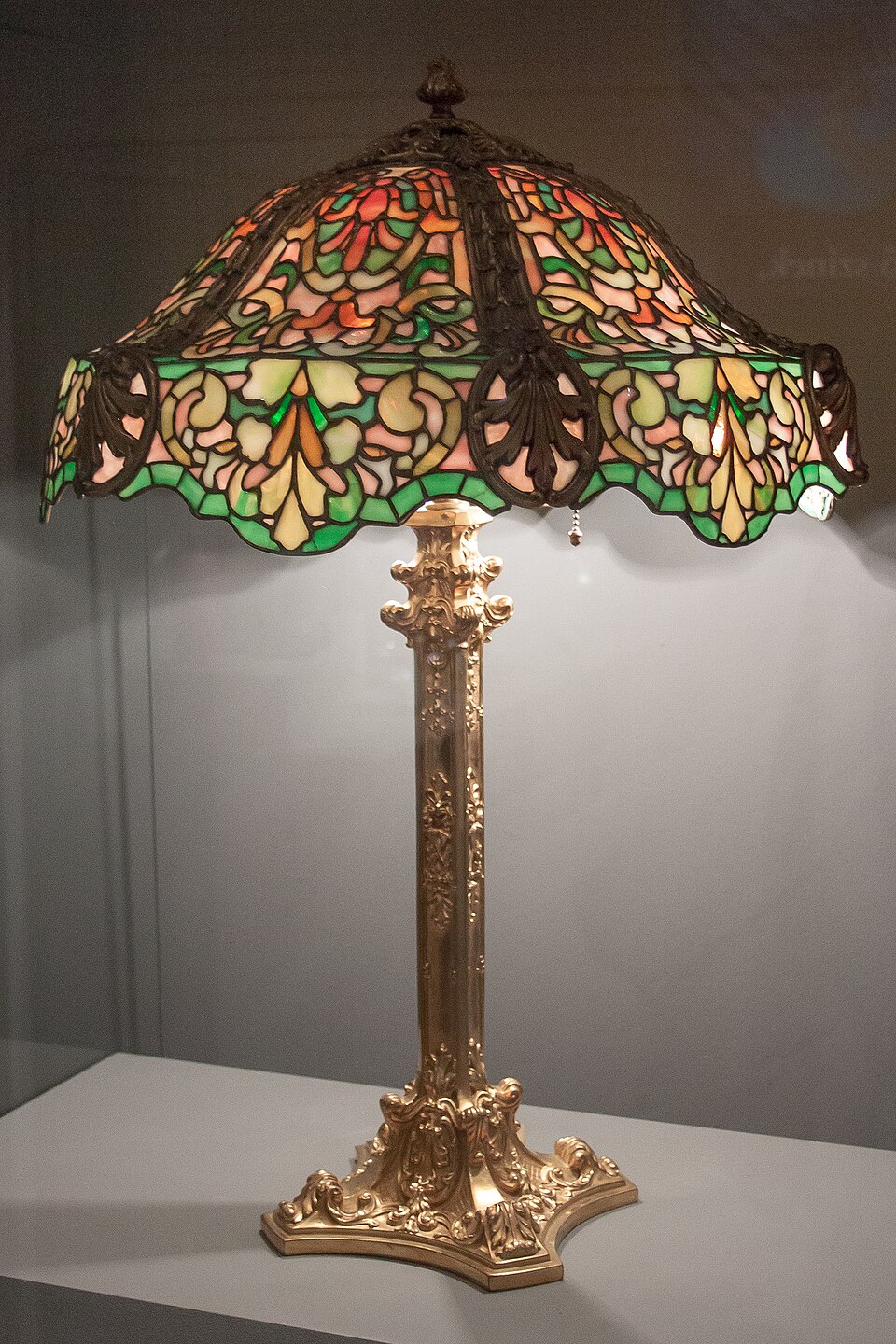
: Tees Valley Combined Authority announcement, 9 September 2026, and its Jewel Street Lighting study. Image is a historical decorative lamp from a museum collection, not an example of the Saltburn firm's own work.