
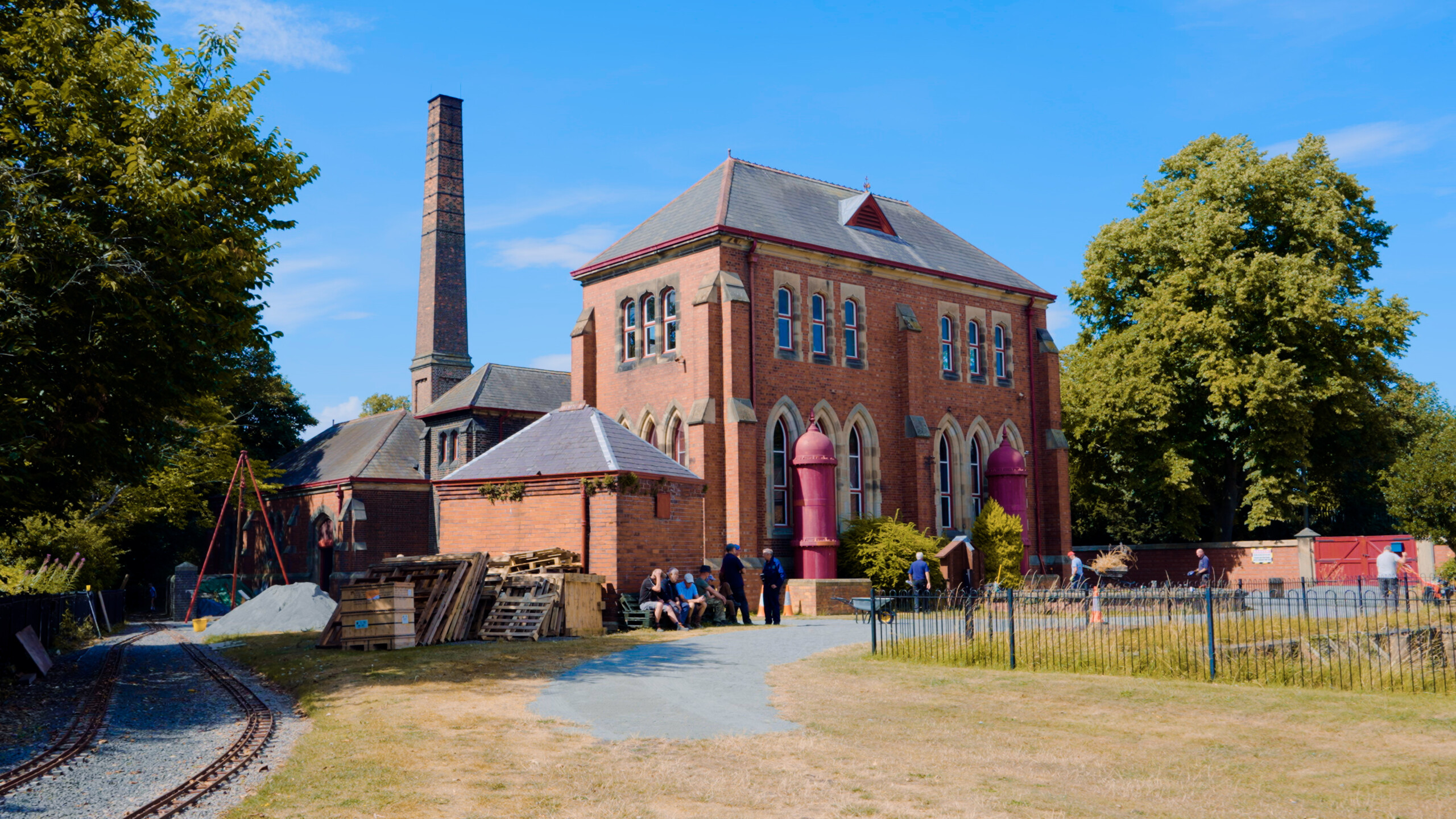
A volunteer-run piece of Tees Valley industrial history has become easier to explore after funding helped improve paths and accessibility at Tees Cottage Pumping Station near Darlington.
The 177-year-old waterworks at Broken Scar has used support from the ’s Unlocking Access programme to tackle drainage and surface-water problems that had made parts of the site harder to , particularly for wheelchair users, people with pushchairs and visitors with reduced mobility.
Practical changes to a historic site
The funding allowed volunteers to buy gravel and hire machinery so they could create smoother routes across the site. An accessibility survey was also carried out, giving the team recommendations about areas including signage and the wider visitor experience.
Tees Cottage is a working museum with a particularly hands-on relationship to the region’s industrial past. The pumping station was built in 1849 to supply cleaner piped water to Darlington and Teesside, and the preserved site now includes pumping engines dating from 1904, 1914 and 1926.
Former chemical engineer Martyn Brown, who joined the volunteer team after retiring in 2018, said the meant the work could be completed as one job rather than spread across several years as money gradually became available.
Accessibility that does not require a grand redesign
The wider Unlocking Access programme offers cultural and visitor venues training, site visits, accessibility audits and grants of between £500 and £10,000. The Tees Cottage project shows the value of relatively unglamorous improvements. Gravel, drainage and clearer routes will rarely become the star exhibit, but they can decide whether somebody can comfortably reach the exhibits at all.
The programme is part-funded through the UK Shared Prosperity Fund and the ’s Creative and Visitor Economy Growth Programme. A separate Visit Tees Valley listing for Tees Cottage also identifies the attraction as accessible and provides practical visitor information, including parking and toilets.
The pumping station has been preserved since the waterworks closed in 1980, and its survival depends heavily on volunteers. Making the site easier to use can therefore support two things at once: access for visitors now and a broader audience for the people preserving the site for the future.
is often described in terms of saving buildings and machinery. This project adds another useful question: once something has been saved, who can actually get through the door and move around it? At Tees Cottage, a set of practical improvements is helping widen that answer.