
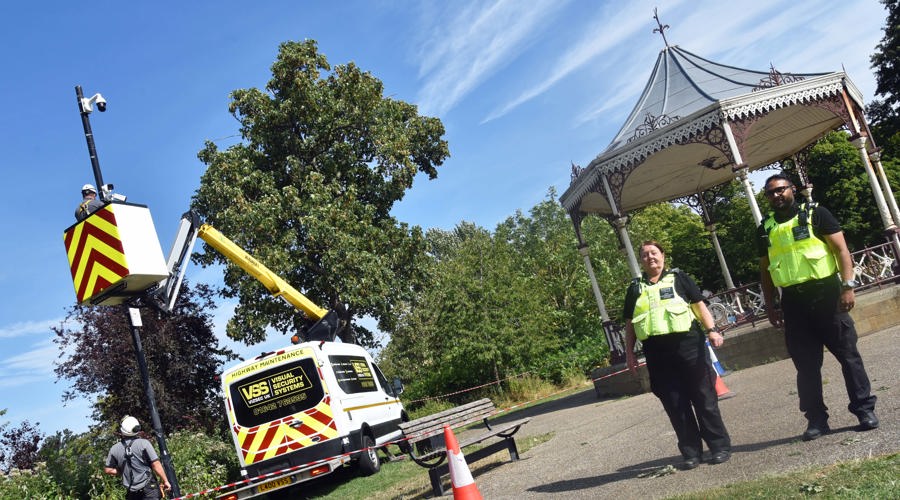
Albert Park has gained new eyes on its paths and public spaces, with CCTV installed at six locations as part of a safety upgrade for one of Middlesbrough’s best-used green spaces.
The new cameras and improvements to existing equipment are connected to the town’s CCTV control room. That gives operators a direct view when a concern is reported and can help them pass clearer information to wardens or emergency services.
Reassurance in a busy public park
Albert Park is many things at once: a route to school or work, a place to exercise, a family day out and somewhere to meet friends. That variety is part of its appeal, but it also means safety arrangements need to work across quieter paths, busy events and different times of day.
Middlesbrough Council says some of the equipment includes loudspeakers. In the right circumstances, those can allow a control-room operator to issue a warning or give directions without waiting for somebody to the location. The cameras can also provide after an incident.
CCTV is most useful as one part of a wider approach. Good lighting, visible staff, well-kept paths and people feeling confident enough to report a problem all contribute to whether a park feels welcoming. Cameras cannot replace those basics, and their operation should continue to respect the privacy rules that apply to public surveillance.
Council leaders Chris Cooke and Ian Blades presented the work as an investment in visitors’ confidence. The authority’s announcement did not publish the precise position of all six points or a project cost, so the improvement is best described by what has been confirmed: additional coverage, upgraded equipment and a live connection to the control room.
Supporting positive use of the park
A sense of safety matters because it affects who uses a public space. If a parent avoids a path, an older resident changes their walking time or a runner no longer visits alone, the park becomes less shared even when no formal closure has taken place.
The most positive result would be for the equipment to spend much of its time watching ordinary park life: football, dog walks, picnics and people cutting through beneath the trees. Its presence is intended to discourage the behaviour that can make others feel pushed out.
It also gives the council another of information about incidents, potentially helping teams understand recurring locations or times and decide where patrols and maintenance are needed. That value will depend on active monitoring and a clear response when the public raises concerns.
Public confidence will also depend on people understanding what the system can and cannot do. Clear signs, a straightforward route for reporting concerns and visible follow-up help turn cameras from passive street furniture into part of a working safety network.
Albert Park belongs to the whole town. Six new CCTV locations will not answer every safety issue, but alongside staff and responsible use of the space, they can add a practical layer of reassurance to a place Middlesbrough residents have enjoyed for generations.